Stress is one of the most common reasons people struggle to get quality sleep.
Yet, stress doesn’t just “keep you awake.” It subtly alters the body’s physiology, influencing:
- the ability to fall asleep
- the depth of sleep cycles
- how rested you feel in the morning
Understanding these mechanisms is the first step toward a calmer mind and better rest.
How stress affects sleep
When the brain perceives stress, it activates the sympathetic nervous system—often referred to as the “fight or flight” system.
This leads to:
- elevated heart rate
- increased cortisol (stress hormone)
- heightened alertness
- shallow or fragmented sleep
Even if you physically lie down in bed, your body remains in a state of subtle arousal, preventing deep restorative sleep.
Chronic stress and its cumulative effect
Occasional stress may be manageable, but chronic stress creates a feedback loop:
- Stress → difficulty sleeping
- Poor sleep → increased irritability and cortisol
- Elevated stress → more sleep disruption
Over time, this loop can reduce sleep efficiency and lead to daytime fatigue, low focus, and weakened immunity.
Natural ways to reduce stress before bedtime
- Create a wind-down routine
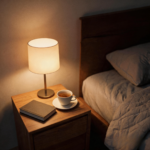
- Dim lights, reduce screen time, and allow your nervous system to decelerate.
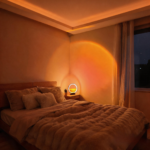
- A gentle Sunset Lamp can help cue your body for rest.
- Physical relaxation
- Light stretching or yoga reduces muscle tension accumulated from the day.
- A Neck Massager or memory foam neck pillow supports your neck and shoulders, releasing tightness and signaling relaxation.
- Mindful breathing and meditation
- Slow, deep breathing decreases heart rate and cortisol.
- Even 5–10 minutes of focused breathing can improve sleep latency.
- Consistent sleep environment
- Keep your bedroom cool, dark, and quiet.
- Organize your sleep space to reduce sensory overload and subconscious stress triggers.
- Avoid stimulating substances in the evening
- Minimize caffeine, sugar, and alcohol close to bedtime.
- These substances can amplify stress signals and disrupt your circadian rhythm.
How ambient tools support stress relief
Stress isn’t only a mental phenomenon; it’s also physical. Tools like massage devices, supportive pillows, and ambient lighting complement behavioral strategies by:
- calming muscles
- promoting parasympathetic activation (“rest and digest” mode)
- reducing the body’s physiological stress markers
By pairing these tools with routine wind-down behaviors, you can transform your sleep environment into a stress-reducing sanctuary.
A practical evening stress reduction flow
- About 60 minutes before bed, dim overhead lights.
- Turn on a warm ambient lamp (Sunset Lamp) or soft night lighting.
- Perform light stretches, yoga, or use a neck/shoulder massager.
- Engage in 5–10 minutes of breathing exercises or guided meditation.
- Maintain consistent bedtime and wake-up time to reinforce circadian cues.
Even small steps repeated daily can break the stress-sleep feedback loop.
Key Takeaways
- Stress disrupts sleep through physical and neurological pathways.
- Chronic stress worsens sleep over time, creating a cycle of fatigue and irritability.
- Combining behavioral strategies, ambient tools, and supportive pillows or massagers can naturally improve sleep.
- The goal is not immediate perfection—it’s consistent daily cues that tell your body: it’s time to rest.